UOLI
We are committed to building trust
Information
Follow Us
News & Events
NDMA–Universities Alliance for Disaster Resilience
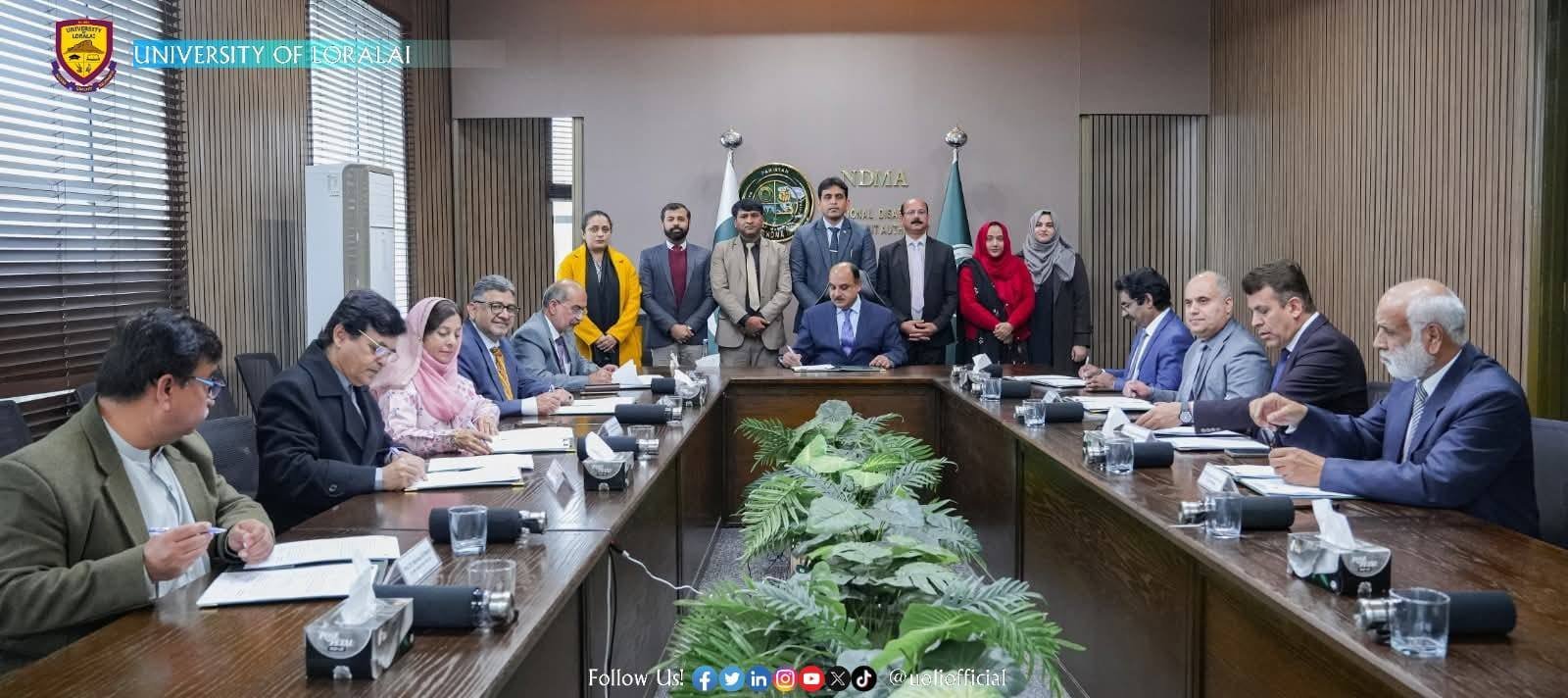
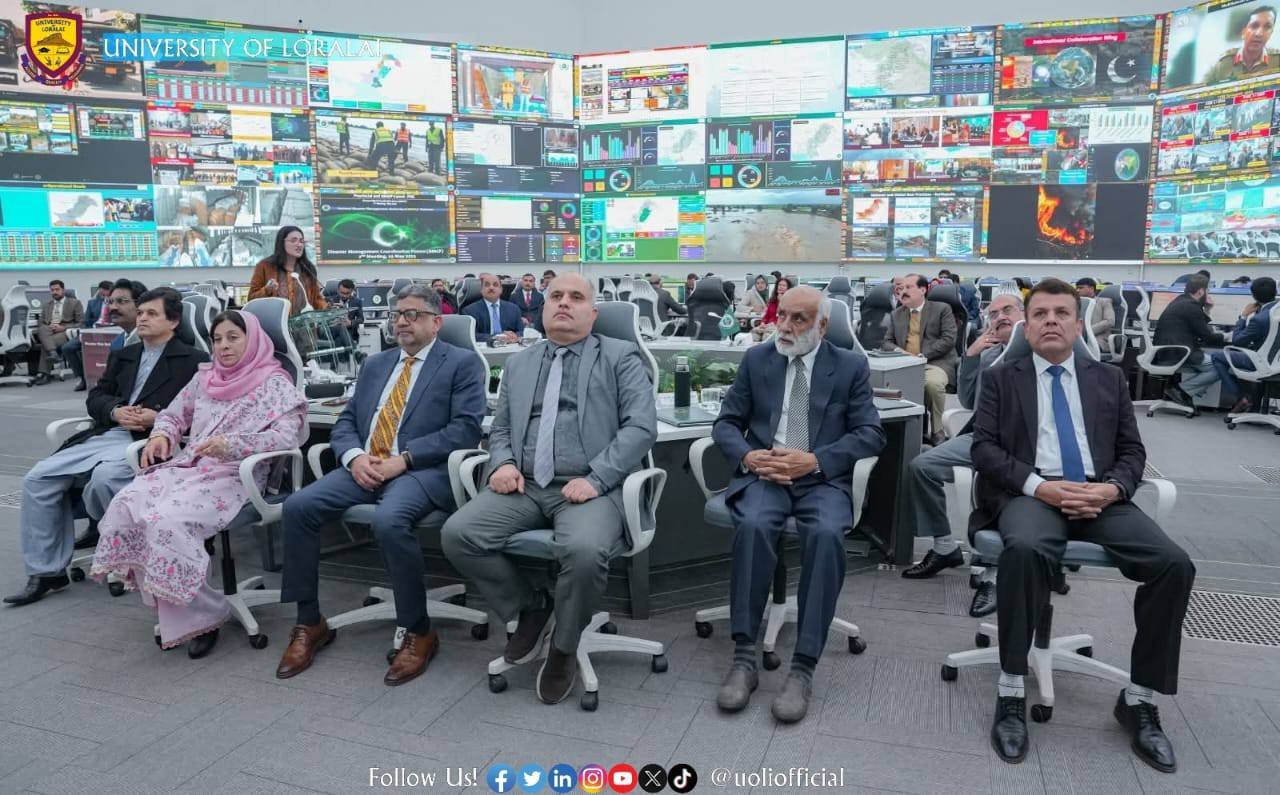
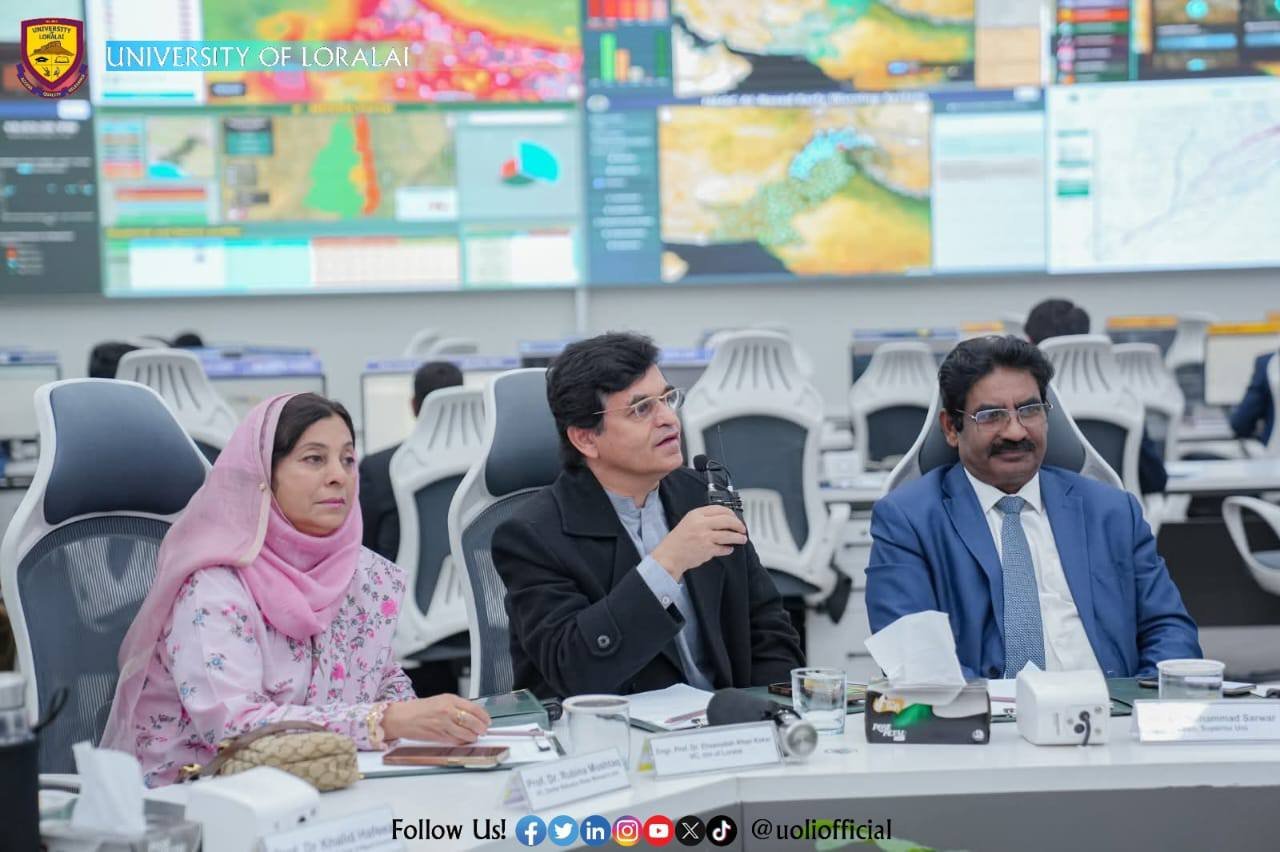
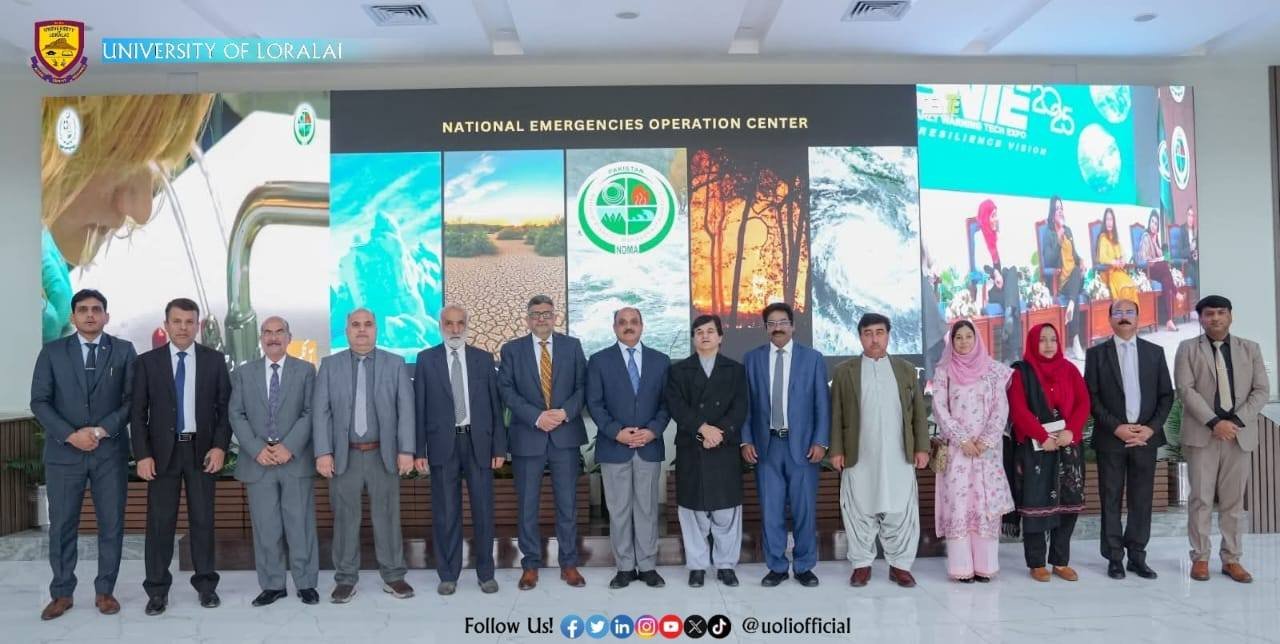
Engr. Prof. Dr. Ehsanullah Kakar, Vice Chancellor of the University of Loralai, together with delegations from Balochistan’s public universities, signed a Letter of Agreement with NDMA to strengthen disaster risk reduction and management.
The agreement will establish NDMA Hubs and Centers of Excellence at participating universities to promote research, training, and skilled human resources for Balochistan’s unique disaster challenges.
“This collaboration will ensure locally relevant, evidence-based, and sustainable disaster management solutions,” said Engr. Prof. Dr. Ehsanullah Kakar.
Air Commodore Tanvir Paracha, NDMA Executive Director, added: “Universities are key to building resilience and developing the next generation of disaster management professionals.”
The National Disaster Management Authority (NDMA) has entered into strategic collaboration with leading public sector universities to promote climate resilience and disaster risk reduction across Pakistan, with a special focus on Balochistan. The collaboration was formalized through the signing of Letters of Agreement (LoAs), marking an important step towards evidence-based, anticipatory, and proactive disaster management.
The University of Loralai was represented by the Worthy Vice Chancellor, Engr. Prof. Dr. Ehsanullah Kakar, alongside Vice Chancellors and senior representatives of other distinguished universities of Balochistan and Punjab. The participating institutions included Sardar Bahadur Khan Women’s University, University of Balochistan, BUITEMS Quetta, LUAWMS Uthal, Mir Chakar Khan Rind University Sibi, University of Makran Panjgur, University of Turbat, BUET Khuzdar, University of Gwadar, Bolan University of Medical & Health Sciences Quetta, and Superior University Lahore.
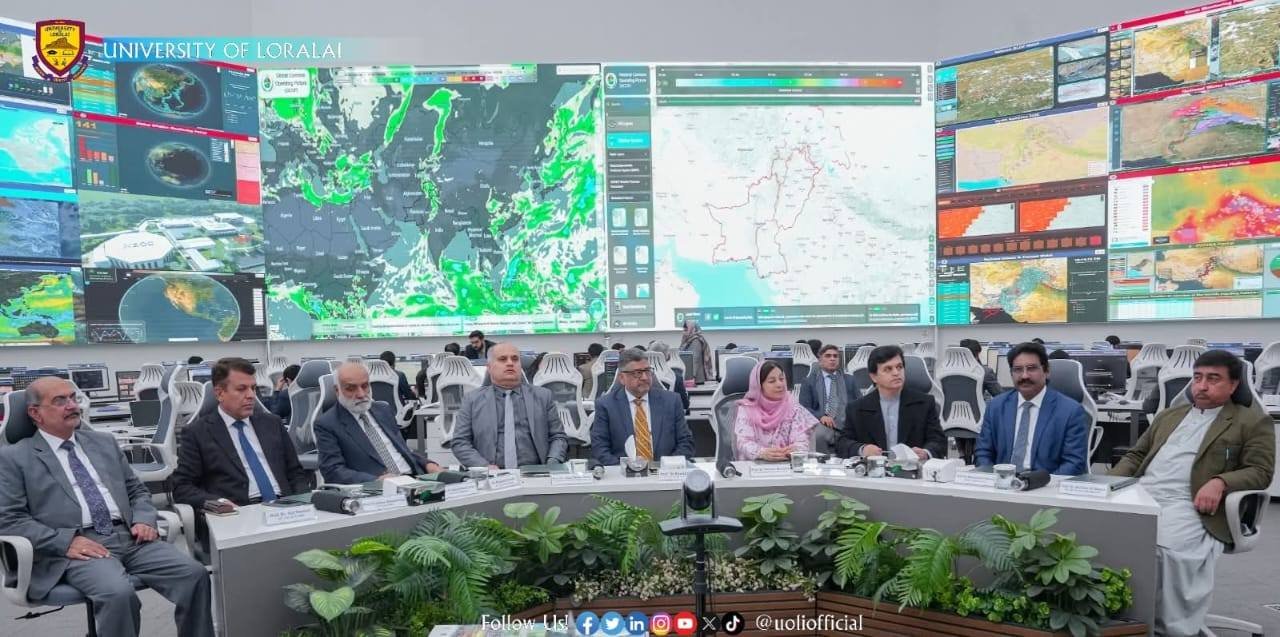
During the engagement, the university leadership appreciated NDMA’s transition from reactive emergency response to a risk-informed and anticipatory governance model, particularly its advanced early warning systems and hazard forecasting mechanisms at the National Emergencies Operations Centre (NEOC). The Vice Chancellors also emphasized the importance of establishing regional and subject-specific Centers of Excellence to further strengthen research, training, and policy support in climate change and disaster management.
This collaboration reflects a shared commitment to transforming academic knowledge into practical solutions for building a safer and more resilient Pakistan.
×![]()